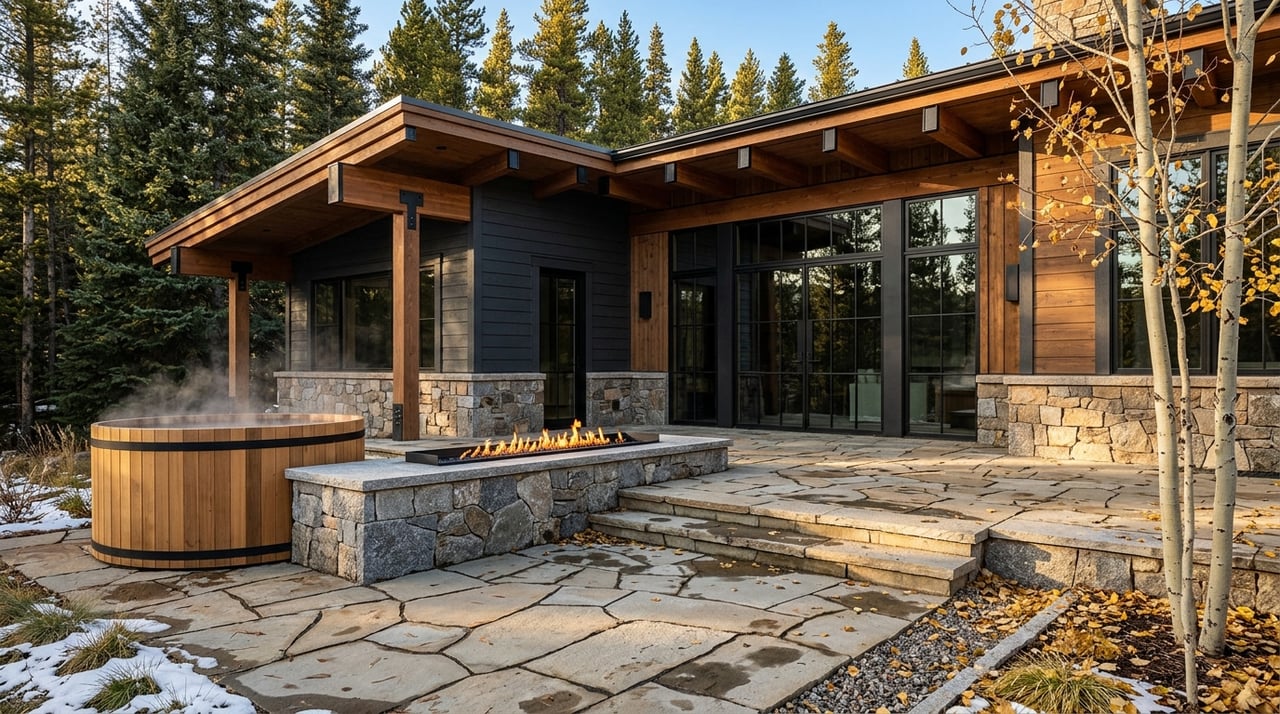
Breckenridge Seasons Guide for Buyers and Owners
June 4, 2026
June 4, 2026
What makes Breckenridge so compelling is that it never feels like just one kind of mountain town. In winter, it hums with ski-season energy. In summer, it opens up into long sunny days, trails, events, and patio nights. If you are thinking about buying a home here, especially a second home, it helps to understand how the town changes through the year and what that means for the way you might use your property. Let’s dive in.
Breckenridge sits at about 9,600 feet above sea level, which shapes nearly everything about daily life and seasonal rhythm. The high-alpine setting brings strong sun, cool nights, and a weather pattern that changes quickly compared with lower-elevation towns.
The town also sees about 300 days of sunshine each year, which is one reason every season has its own draw. Even when conditions shift, you still get that bright mountain feel that people come here for.
Winter is the season many people picture first, and for good reason. Average winter temperatures are around 28°F during the day and 15°F at night, and Breckenridge Ski Resort is typically open from mid-November through Memorial Day, depending on weather.
That long ski season helps create one of the town’s biggest annual peaks. Official town demographics note that peak winter periods can push the population above 39,000, which gives Main Street and the ski base areas a distinctly busy, festive feel.
Winter in Breckenridge is lively and bright. Holiday lights, the Lighting of Breckenridge, Race of the Santas, Ullr Fest, and the International Snow Sculpture Championships all add to the sense that the whole town is participating in the season.
For buyers, that matters because winter is not just about snow conditions. It is also about atmosphere, walkability, dining, shopping, and the kind of energy you want around you when you are in town.
The official winter and spring guide highlights a wide range of cold-weather activities, including:
That mix is helpful if you are thinking beyond a pure ski condo decision. Some owners want to be close to the slopes, while others care just as much about access to town, dining, and off-mountain activities.
If you only know Breckenridge as a winter ski town, spring can be a surprise. March and April are among the snowiest months, and NOAA normals show about 27.6 to 28.0 inches of snow in both months, with another 9.5 inches in May.
That means spring is not an early summer preview. In many ways, it is still very much part of snow season, with a different pace and texture.
The spring guide describes morning snow as harder and afternoons as slushier, which creates a different on-mountain experience than deep winter. At the same time, patios start to fill, Main Street strolling picks up, and the town feels less crowded.
Official town traffic data show dips in April and May, which supports the idea that spring is one of Breckenridge’s lighter shoulder seasons. If you value breathing room and easier access to town amenities, this can be one of the most enjoyable times to be here.
Spring helps show Breckenridge’s flexibility. You can still ski or snowshoe, but you can also enjoy slower mornings, easier reservations, and a more relaxed feel around town.
For a second-home buyer, this is important. A property here is not only about peak weeks. It can also support those quieter off-peak stays that feel more personal and restorative.
Summer changes the tone of the town in a big way. Average temperatures are about 70°F during the day and 50°F at night, which makes it comfortable for long days outside and cool evenings afterward.
The tourism office also notes that quick afternoon showers and strong mountain sun are common, so layers, sunscreen, and water all matter. That pattern is part of normal summer life at elevation.
Summer in Breckenridge is active, social, and event-heavy. The town is walkable, served by free transit, and filled with visitors who come for both outdoor recreation and seasonal festivals.
Like winter, summer holidays are one of the periods that can push the population above 39,000. So while the season feels very different from ski season, it still brings major energy and strong visitation.
Summer activity centers on the mountains, rivers, and open spaces around town. Official materials highlight:
The event calendar is also a major part of summer’s appeal, with Breck Pride, the 4th of July parade, the Summer Beer Festival, the Food and Wine Festival, the International Festival of Arts, Breck Epic, and Labor Day weekend all helping shape the season.
Fall is often the season people underestimate until they experience it for themselves. Average temperatures are about 55°F during the day and 30°F at night, and the leaves typically begin changing around mid-September, peak in the third and fourth weeks, and often hold into early October if weather cooperates.
The result is a season that feels calmer than winter and summer, but still full of color, activity, and reasons to spend time in town.
The tourism office explicitly notes fewer crowds in fall, and that more relaxed atmosphere is a big part of the appeal. You still get a full event calendar, but with a little more elbow room.
For many buyers, this is when Breckenridge feels most balanced. You can enjoy the scenery, move through town more easily, and experience the community at a steadier pace.
Fall activities include:
The season also includes events like Oktoberfest, the Film Festival, Bluegrass + Beer, the Craft Spirits Festival, the Wine Classic, and Labor Day weekend. Some summer activities continue into fall as well, which extends the usable season for owners.
For buyers, one of the most useful ways to think about Breckenridge is as a two-peak, two-shoulder-season market. Winter and summer bring the strongest visitation, while spring and much of fall feel slower and often more personal-use friendly.
That pattern shows up in official town data. Winter ski season and summer holidays drive the biggest population surges, while April and May bring a noticeable traffic dip.
A seasonal rhythm like this can support more than one ownership goal. You may want ski weekends in winter, family time in summer, and quieter stays in spring or fall when the town feels less busy.
That flexibility is a big part of Breckenridge’s appeal. Instead of a destination that shines in only one season, you get a place with meaningful use throughout the year.
When you understand how the town transforms, your home search becomes more focused. You can start asking better questions about how you want to live in the property, not just where you want it on a map.
For example, you may want to consider:
These are practical questions, but they are also lifestyle questions. In a market like Breckenridge, that combination matters.
Because Breckenridge changes so much from season to season, local guidance can be especially valuable. A home that feels ideal for winter visits may function differently in summer, and a property that works well for personal use may have different strengths for absentee ownership or vacation-rental planning.
That is where a full-service, locally rooted approach can help. When you are evaluating a mountain property, it is useful to look at both the ownership experience and the year-round operating reality.
If you are considering a condo, townhome, or single-family home in Breckenridge or elsewhere in Summit County, working with a team that understands both real estate and ongoing property management can help you make a more informed decision. If you want help matching your goals to the right seasonal use pattern, connect with Ryan Greff.
Stay up to date on the latest real estate trends.
With years of experience and hands-on insight into the local market, Ryan provides tailored strategies to maximize value and simplify every step of the property journey.