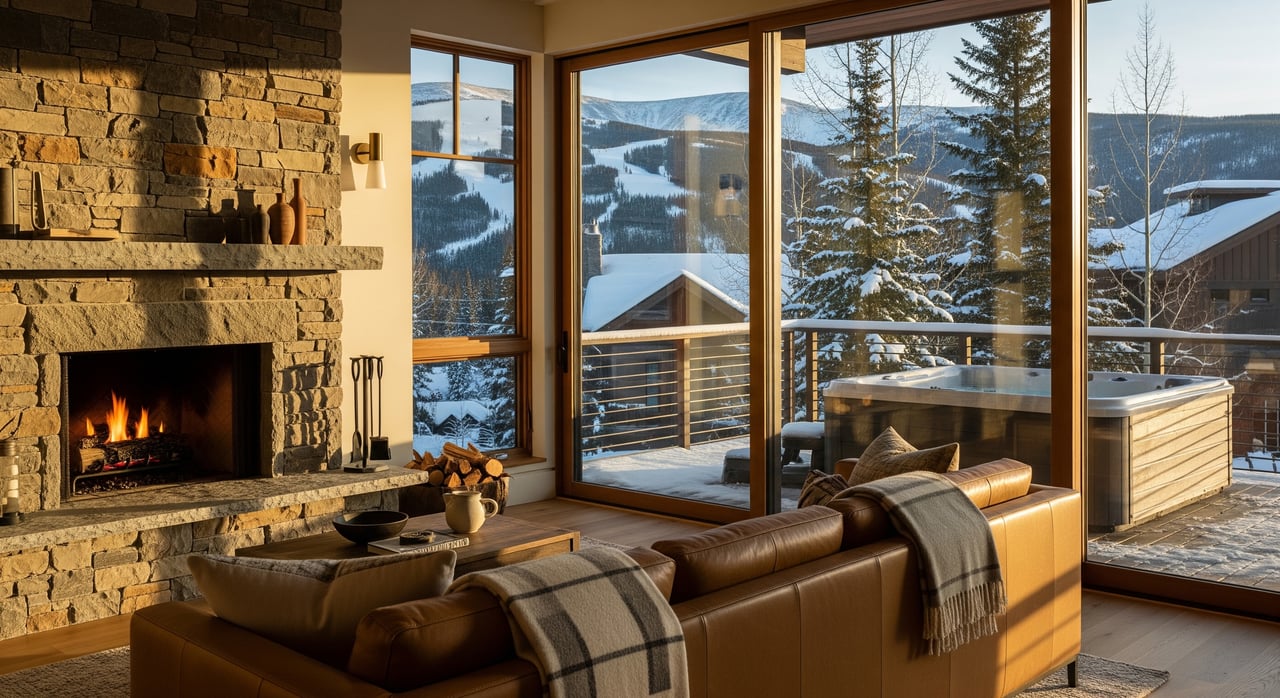
What Owning a Home in Breckenridge Really Feels Like
February 5, 2026
February 5, 2026
Ever picture slipping away to the mountains for long weekends, fresh powder, and cool summer nights, only to wonder what owning a second home in Breckenridge actually feels like? You are not alone. Many buyers love the idea, then realize the day-to-day reality includes seasons, logistics, and a different rhythm than a city condo. In this guide, you will learn what daily life looks like across winter and summer, how travel and services work in Summit County, what costs to plan for, and how to approach renting and property care with confidence. Let’s dive in.
Breckenridge sits at about 9,600 to 9,900 feet, with a compact, walkable core centered on historic Main Street and the ski resort. That layout gives you a true village feel if you choose an in-town condo or townhome. The high elevation brings big views and reliable winter, but it also affects your body and your home systems. Plan for acclimation, hydration, and smart heating and humidification.
You will find a mix of neighborhoods close to lifts and the Blue River, plus quieter pockets a short drive away. The choice comes down to how you plan to use your home and how often you want to park once and stroll to dining, transit, and the slopes.
Most owners fly into Denver International and drive west on I-70. Eagle County Regional can work seasonally and may be closer depending on your route. Winter conditions, holiday traffic, and traction laws can stretch drive times, so build in flexibility for arrivals and departures.
Once in town, you can rely on local bus systems like Summit Stage and Breckenridge Free Ride. Parking is limited in peak seasons, and rules vary by neighborhood. If you plan to visit in winter, invest in snow tires or a 4WD vehicle for confidence.
Plan your trips around storms and road reports. Snow management is part of ownership, whether you hire plowing for a driveway or rely on an HOA for clearing and roof checks. Peak holidays bring lift lines and busy Main Street, while midweek days can feel peaceful.
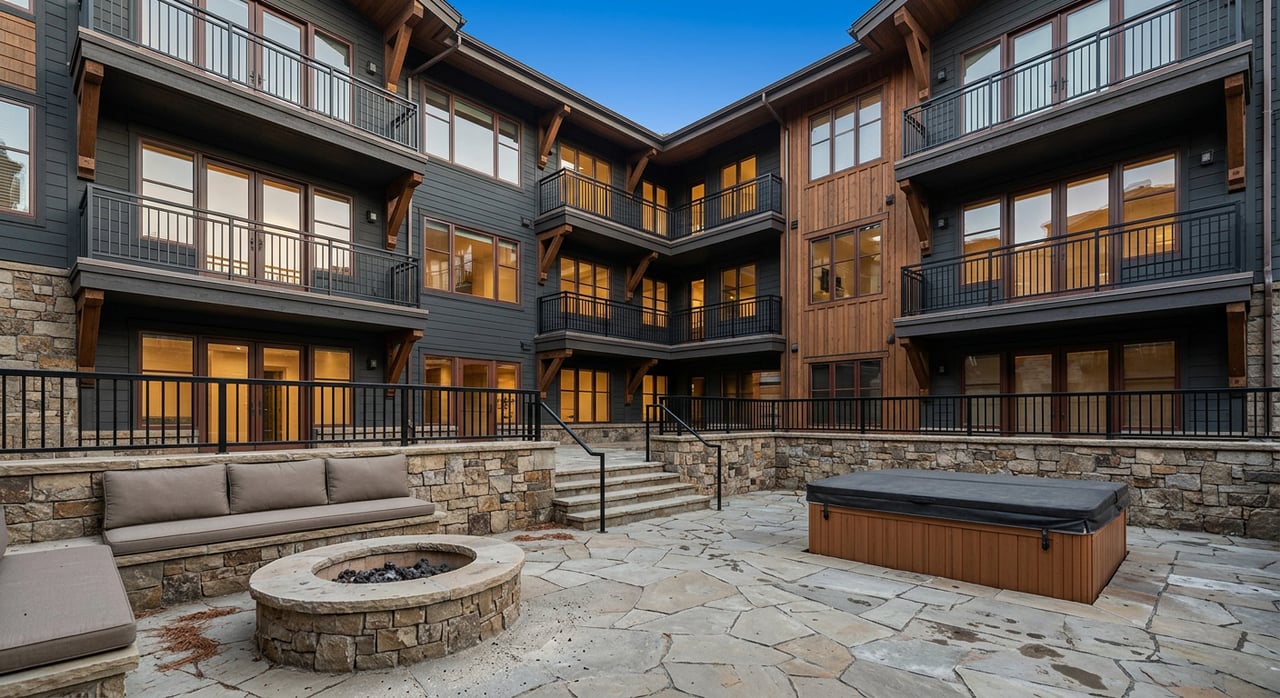
Evenings lean cozy and indoor. You will rotate between fires, hot tubs, and dinner in town. Many owners keep a checklist for storm prep, guest turnover if renting, and fuel or heating checks.
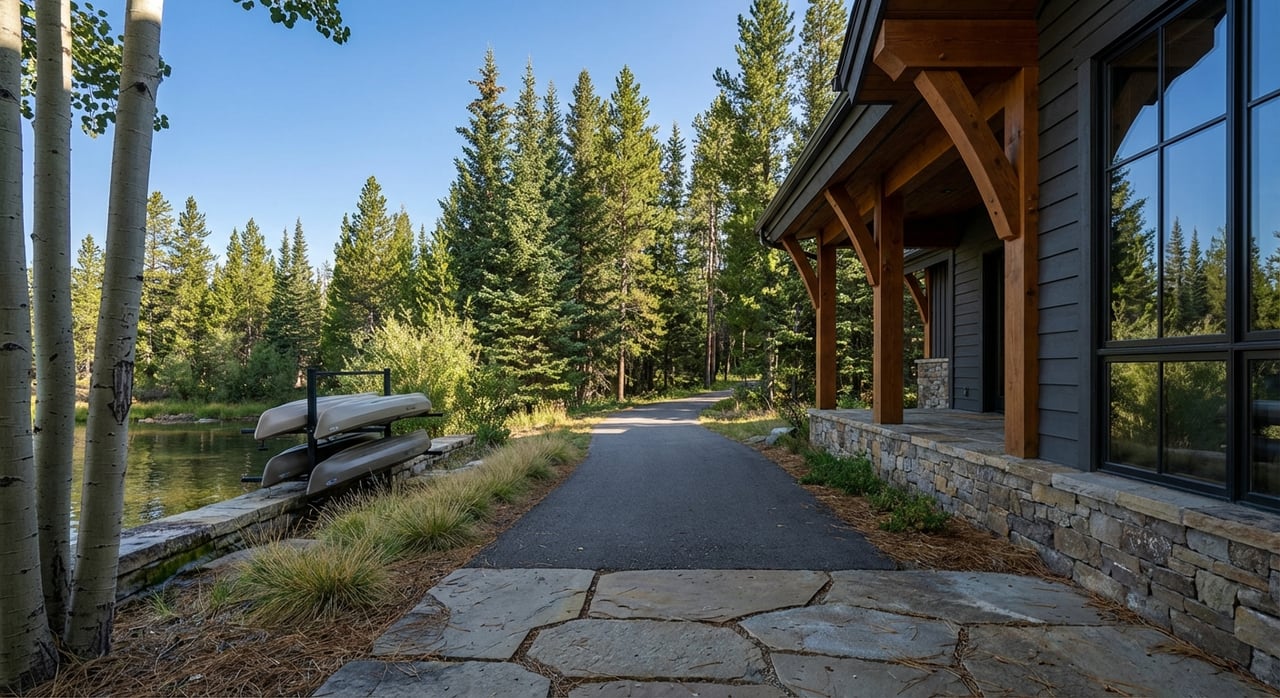
Summer draws you outside for hiking, biking, and time near Dillon Reservoir. Days are warm and bright, and nights cool down. Good windows and insulation help, and you will want layers even in July.
Weekends and festivals add energy, but the pace feels different than winter. The town spreads out to trails and lakes, and you can explore nearby communities for shopping and services.
Spring brings “mud season” and variable conditions that can limit some trail access. It is a great time to schedule maintenance like roof checks and deep cleaning. Businesses may run on reduced hours and public transit scales back.
Fall is calm and scenic with fewer visitors. You can plan longer owner stays, handle small projects, and enjoy quiet restaurants before winter ramps up again.
You will find groceries and essentials in Breckenridge, while larger shopping runs are common in Frisco and Silverthorne. Urgent care and emergency services are available locally, with specialized care in larger regional centers.
Internet is available in town, but speeds and reliability vary by building and location. Cell coverage is strong near the core and can be spotty farther out. If you work remotely, verify service at the specific address and consider backup options.
Owning a second home in a mountain town comes with recurring expenses. Budget for the following:
Wildfire exposure is a Colorado reality in many mountain areas. Insurers may require mitigation and documentation of defensible space. If you are exploring remote or steep parcels, ask about professional hazard reviews. Backcountry and gully locations can present avalanche considerations that merit expert evaluation.
If you plan to rent, expect licensing or registration with the Town of Breckenridge or Summit County depending on location. Rules typically cover safety and occupancy, parking and noise, trash handling, and tax remittance. Lodging and sales taxes usually apply to short stays.
Confirm HOA rules before you buy, since some buildings limit or prohibit short-term rentals. Also check whether a property is deed restricted for local workforce housing, which usually does not fit second-home use.
If you visit seasonally or rent, a property manager is often essential. Reliable local contacts can be hard to secure during peak periods, and a manager coordinates vendors, turnovers, and emergency calls.
Build a practical plan that covers:
Picture a winter long weekend. You watch the forecast to time your drive, then settle in Friday night with a fire. Saturday and Sunday start early for first chair, followed by dinner on Main Street and quiet evenings. Monday is a flexible travel day in case a storm slows the interstate.
Now a summer stay. You hike in the morning, bike in the afternoon, and head to a local festival on the weekend. Evenings are spent on the deck under cool skies. Midweek, you visit nearby towns for a bigger grocery run and schedule a quick HVAC service while vendors have availability.
Use this checklist to focus your search and avoid surprises:
The right local team saves you time and protects your experience. You can lean on a single partner for purchase guidance, neighborhood insights, and a plan to operate the home after closing. If you decide to host guests, professional rental marketing and property management streamline compliance, guest care, and maintenance so your stays remain enjoyable.
If you are considering a second home in Breckenridge or want to convert an existing property into a well-run rental, connect with a local, owner-operated team that manages the entire lifecycle. Ready to talk through options and next steps? Let’s connect with Ryan Greff.
Stay up to date on the latest real estate trends.

With years of experience and hands-on insight into the local market, Ryan provides tailored strategies to maximize value and simplify every step of the property journey.