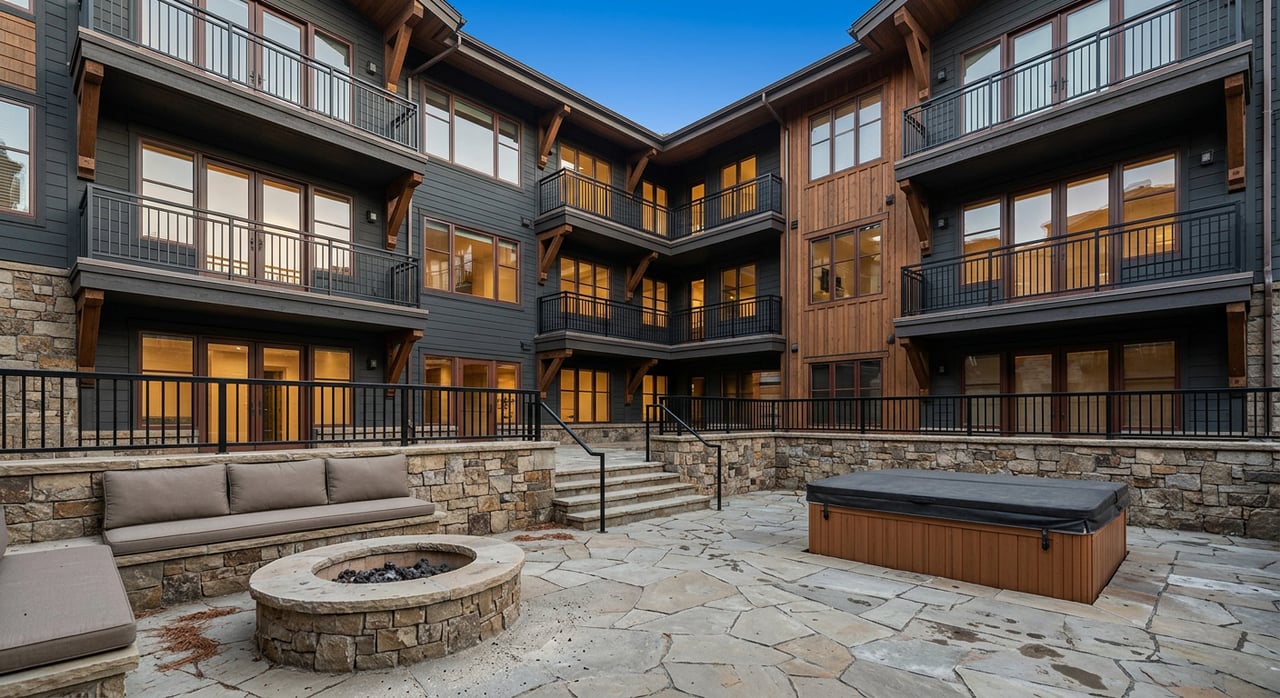
2026 Breckenridge Condo Market Guide for Second-Home Buyers
March 24, 2026
March 24, 2026
Picture stepping out to crisp alpine air, coffee in hand, with Peak 8 glowing in the morning sun. If you are weighing a Breckenridge condo as a second home that can also help cover costs, you want clear answers on prices, rental rules, and what it really takes to operate. In this guide, you will learn how the 2026 condo market looks, how short-term rental licensing works, what to expect from HOAs and financing, and a simple rental math example. Let’s dive in.
Breckenridge is a high-value resort market where condos trade below single-family prices but still command a premium compared with many non-resort areas. City-level snapshots in early 2026 classify Breckenridge as a buyer’s market, with higher supply relative to demand and longer days on market. Median single-family prices sit in the low to mid millions, while condos vary by building and location.
For county context, reporting that summarizes Summit County Assessor data shows the countywide median condo sale price around $822,000 over the two-year reappraisal window ending June 30, 2024. This highlights two things: condo pricing is materially below top single-family sales in Breckenridge proper, and condo values are sensitive to building-level factors, insurance costs, and rental rules. You should verify current building and neighborhood medians with a fresh MLS pull before you write an offer. Local coverage of the assessor update offers helpful historic context.
Short-term rentals remain a major driver in Breckenridge. Market-level analytics show strong demand with seasonal peaks in winter and steady summer visitation. According to AirDNA’s Breckenridge overview, market averages sit around an average daily rate near $659, occupancy in the low to mid 50 percent range, and typical annual revenue of about $58.5K per active listing, with RevPAR near $340. Remember, these are market-wide averages. Slope-side penthouses can exceed them, and lower-amenity units can underperform.
Breckenridge regulates STRs by mapped zones with license caps and waitlists. Licenses are nontransferable at sale, and a unit’s ability to operate as a short-term rental depends on its exact address and zone. The town also charges a per-bedroom annual regulatory fee and enforces sales and lodging tax collection. Start with the Town of Breckenridge STR overview, then review the town’s current license counts and changes in the annual STR report. For taxes, factor in the combined rate of about 12.275 percent on short stays as outlined on the town’s sales and accommodation tax page.
Think One Ski Hill Place at Peak 8 or Beaver Run near Peak 9. These properties usually include ski valet, multiple pools and hot tubs, on-site services, and concierge-style front desks. They can deliver the highest ADRs and the easiest guest demand, especially in winter.
The tradeoff is cost. HOAs are higher because they often bundle utilities and on-site services. Some require or strongly encourage on-site rental programs. Many slope-side buildings sit in Resort zones, which can make STR licensing more straightforward, but you still need to confirm address-level eligibility before you buy.
Walkable properties near shops, dining, and the riverwalk balance lifestyle and rental potential. Buildings like Main Street Station offer full-service amenities such as heated pools, hot tubs, locker rooms, and garage parking. Owners who value both personal use and solid shoulder-season bookings often prefer this location profile. Verify the building’s exact zone and whether an STR license is available for your specific unit.
Neighborhood condos, including pockets around Wildernest and nearby areas, often have lower entry prices and fewer on-site amenities. HOAs here may cover fewer services, which keeps fees down but can shift more operating tasks to the owner or manager. These properties can perform, yet they usually require sharper pricing, strong cleaning and maintenance coordination, and consistent reviews to compete with full-service resorts.
HOA dues in Breckenridge vary widely. Basic communities might run a few hundred dollars per month, while full-service resort buildings can reach $1,000 to $2,000 or more. Many HOAs include common-area maintenance, snow removal, master insurance, exterior maintenance, and some utilities. In resort buildings, dues may also include internet, cable, and elements of on-site services. Always confirm the coverage in writing.
Do not skip the reserves and insurance check. Colorado’s CCIOA requires HOAs to adopt a reserve policy and disclose reserve information. Ask for the latest reserve study, the current budget, financials, and the master insurance summary. The state’s HOA FAQ outlines disclosure expectations. Rising insurance costs in mountain markets have increased pressure on dues and special assessments in some associations, which local reporting has also noted in the broader county context. See the assessor update coverage for background.
Condo financing lives at both the borrower and the project level. Lenders review the building for agency eligibility. Condo-hotels, mandatory rental pools, high commercial concentration, inadequate reserves, or elevated delinquency can trigger a non-warrantable designation, which limits loan options and can increase rates. Have your lender vet the building early using tools such as Fannie Mae’s Condo Project Manager.
Down payments differ by use. Conventional second-home loans often start around 10 percent down, while investment property loans typically require 15 to 25 percent or more depending on the lender and program details. Review current guidelines with your lender and confirm whether your intended rental use fits second-home criteria. A clear primer on second-home down payments can be found here: How much down for a second home.
Use market-level averages only as a baseline. Then model your exact building and bedroom count with conservative assumptions.
Here is a simple example using AirDNA’s market averages as a starting point:
This reduces a typical market-average gross to a modest net operating income before debt service. If ADR or occupancy move 10 to 20 percent, your bottom line shifts quickly. Run a version with your building’s actual HOA, the town’s regulatory fee of $756 per studio or bedroom per year, and current tax rates. Then compare a self-manage plan versus professional management to see what fits your goals. For context, see AirDNA’s Breckenridge overview and the town’s tax page.
Start with the tradeoff that matters most to you:
If personal ski days and effortless bookings top your list, resort buildings often win. If you want a vibrant Main Street experience and balanced year-round demand, a downtown condo can be ideal. If you prefer a quieter setting and a lower price point, a neighborhood complex may be the right starting step.
Use this list to keep your purchase on track:
Buying in a resort market is not just about price. It is also about operating reality, guest experience, and compliance. As a boutique, owner-operated brokerage with in-house lodging management, Majestic Lodging & Real Estate helps you see the full picture from acquisition through day-to-day operations. If you want a single partner to help you buy, position, and manage your Breckenridge condo with clear reporting and hands-on care, connect with Ryan Greff to get started.
Stay up to date on the latest real estate trends.
With years of experience and hands-on insight into the local market, Ryan provides tailored strategies to maximize value and simplify every step of the property journey.